
Single's Inferno, Love Island & more: Why spotting red flags, thirst traps and romance on reality dating shows is everyone's favourite sport
Karen Noronha | Indiatimes | Jan 30, 2026, 17:43 IST
These shows are no longer just about finding love but about watching people date under pressure, noticing every red flag, thirst trap and emotional misstep.

Image credit : X | Reality dating shows are no longer just about finding love but about all the drama surrounding it.
Choi Mina Sue didn't just appear on Single's Inferno season 5 - she quickly became its most talked-about figure. One moment, she was a contestant navigating connections; the next, she was the internet's main character, dissected frame by frame on TikTok, X (formerly Twitter), Instagram and Reddit. Her expressions, choices and pauses were analysed endlessly, almost like clues in an ongoing investigation.
And yet, the frenzy surrounding Mina Sue isn't unusual. It's part of what makes reality dating shows work.
These shows are no longer just about finding love. They're about watching people date under pressure, noticing every red flag, thirst trap and emotional misstep - and then debating it all online as if it were a shared spectator sport.
![X/@daheeverse | Choi Mina Sue was a contestant navigating connections; the next, she was the internet's main character, dissected frame by frame.]()
From Single's Inferno andLove Island to Love Is Blind, The Ultimatum, Love After Lockup, Married at First Sight and 90 Day Fiancé, reality dating shows now dominate streaming platforms.
![Netflix | Single's Inferno season 5 poster]()
India had also leaned into the trend as well, withSplitsvilla , What The Love? With Karan Johar and a rotating slate of romantic experiments that promise love, drama or something in between.
In comparison, swiping on dating apps can feel almost dated. Dating in real life feels even more daunting. Why take emotional risks personally when it's easier to watch strangers do it on screen?The sheer volume of these shows has turned romance into content - endlessly scrollable, endlessly discussed and endlessly watchable.
And yet, the frenzy surrounding Mina Sue isn't unusual. It's part of what makes reality dating shows work.
These shows are no longer just about finding love. They're about watching people date under pressure, noticing every red flag, thirst trap and emotional misstep - and then debating it all online as if it were a shared spectator sport.
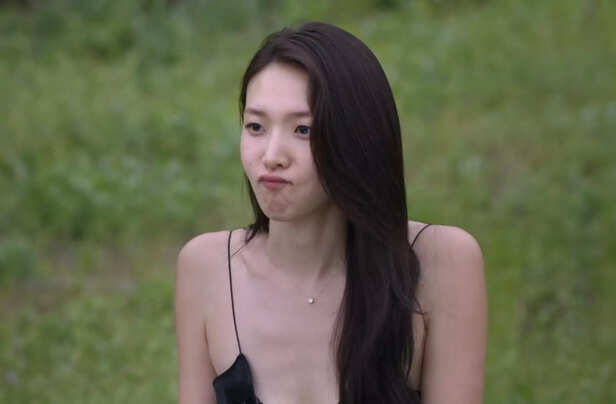
Image credit : X/@daheeverse | Choi Mina Sue was a contestant navigating connections; the next, she was the internet's main character, dissected frame by frame.
Reality dating shows are everywhere - and hard to ignore
From Single's Inferno and
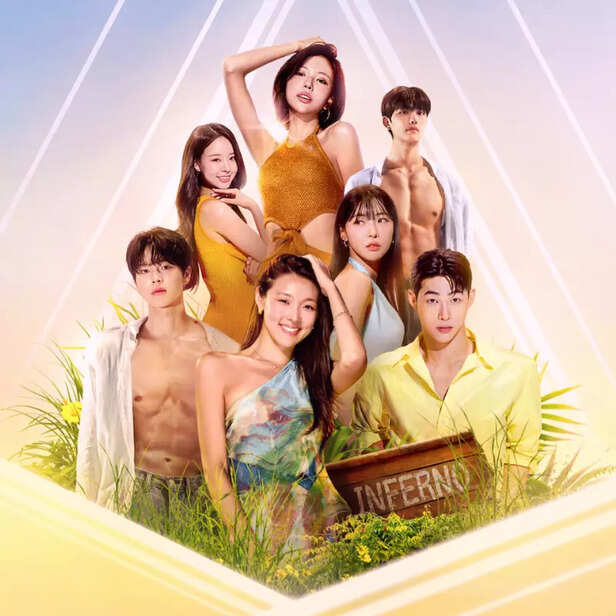
Image credit : Netflix | Single's Inferno season 5 poster
India had also leaned into the trend as well, with
In comparison, swiping on dating apps can feel almost dated. Dating in real life feels even more daunting. Why take emotional risks personally when it's easier to watch strangers do it on screen?The sheer volume of these shows has turned romance into content - endlessly scrollable, endlessly discussed and endlessly watchable.
The obsession didn't start with streaming platforms
Despite their glossy, modern packaging, reality dating shows are far from new. Long before villas, pool shots and influencer-ready aesthetics, there was The Dating Game in the 1960s, Love Connection in the '80s and the chaotic appeal of early-2000s television.
What has changed isn't the format, but the way audiences engage with it - and the language they use to describe what they're watching.
Spotting red flags is half the fun now
Modern audiences no longer watch reality dating shows passively. Viewers actively look for warning signs - love bombing, gaslighting, weaponised vulnerability and strategic silence - turning each contestant into a case study.
Social media has reshaped viewers into armchair therapists and moral judges. A single uncomfortable exchange can lead to thousands of posts discussing "the red flag everyone missed" or labelling someone a "pick me," often pushing romance itself into the background.
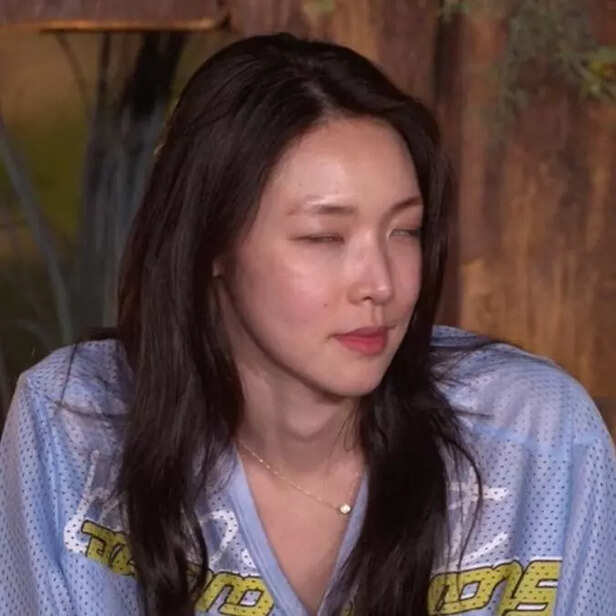
Image credit : X/@00_antonella_Y | Choi Mina Sue became a topic of discussion when she rolled her eyes.
Interestingly, this collective scrutiny can feel reassuring. Watching someone else overlook obvious red flags allows viewers to feel more aware, more prepared - and occasionally, a little validated.
Thirst traps, aesthetics and the performance of love
Reality dating shows are also carefully designed to be visually engaging. Perfect lighting, sculpted bodies, picturesque locations and slow-building tension are tailored for virality. Romance may be staged, but attraction remains central.
Many contestants aren't just searching for love; they're also building personal brands. A glance can become a meme, and a breakup can lead to sponsorships. The line between genuine emotion and performance often blurs - and for many viewers, that distinction no longer feels essential.
Why reality dating shows feel like escapism - and therapy?
At their core, these shows succeed because they offer emotional experiences without real-world consequences. Viewers experience excitement, disappointment and secondhand embarrassment - all from a safe distance.
There are villains to criticise, couples to support and moments that feel surprisingly real. It's voyeurism framed as romance, and drama presented as reflection.
Perhaps that's why audiences keep returning. In a dating culture that often feels exhausting and uncertain, reality dating shows provide structure, stakes and a sense of closure - even when the outcome is messy.
Bad Bunny's ICE Grammys speech puts Super Bowl LX under fire
By Karen Noronha

Are soft off days the new sick leave at work?
By Saloni Jha

5 Bollywood movies for a complicated Valentine’s Day
By Nancy Jaiswal

The viral boyfriend notes trend
By Saloni Jha

Rawme Hooda went from low-key to viral real quick! Not just us, OGs like Yo Yo Honey Singh are vibing too
By Garima Satija

Hotpot spas are a thing! Not just relaxation, it's an experience
By Sneha Kumari

Elon Musk merges SpaceX, xAI and X in bold AI move
By Nancy Jaiswal
